Technology
How to use music and art with a loved one living with dementia
By James Caldwell
Advertisement · Why this ad?
Mohammed is a tech journalist with a Bachelor's degree in Computer Science from the University of Georgia. His previous work includes writing for NPR affiliate GPB News, where he focused on how technology intersects with daily life in Georgia.
More from Mohammed →
The gentle chime of a bell, the swirl of watercolor on paper, the familiar strains of a gospel hymn – these aren't just pleasant sounds and sights; they can be powerful tools for connecting with a loved one struggling with dementia. As our community ages, many families in Alpharetta are facing the challenges of this heartbreaking disease. While there's no cure for dementia, experts are finding that music, art, and other creative outlets can offer a lifeline, tapping into emotions and memories that remain even as cognitive abilities fade. It’s a reminder that even amidst loss, beauty and connection can still flourish, offering solace to both the person living with dementia and their caregivers. Centers for Disease Control estimates that millions of Americans are living with Alzheimer's disease and related dementias, and Alpharetta, with its growing senior population, is certainly not immune to this reality.
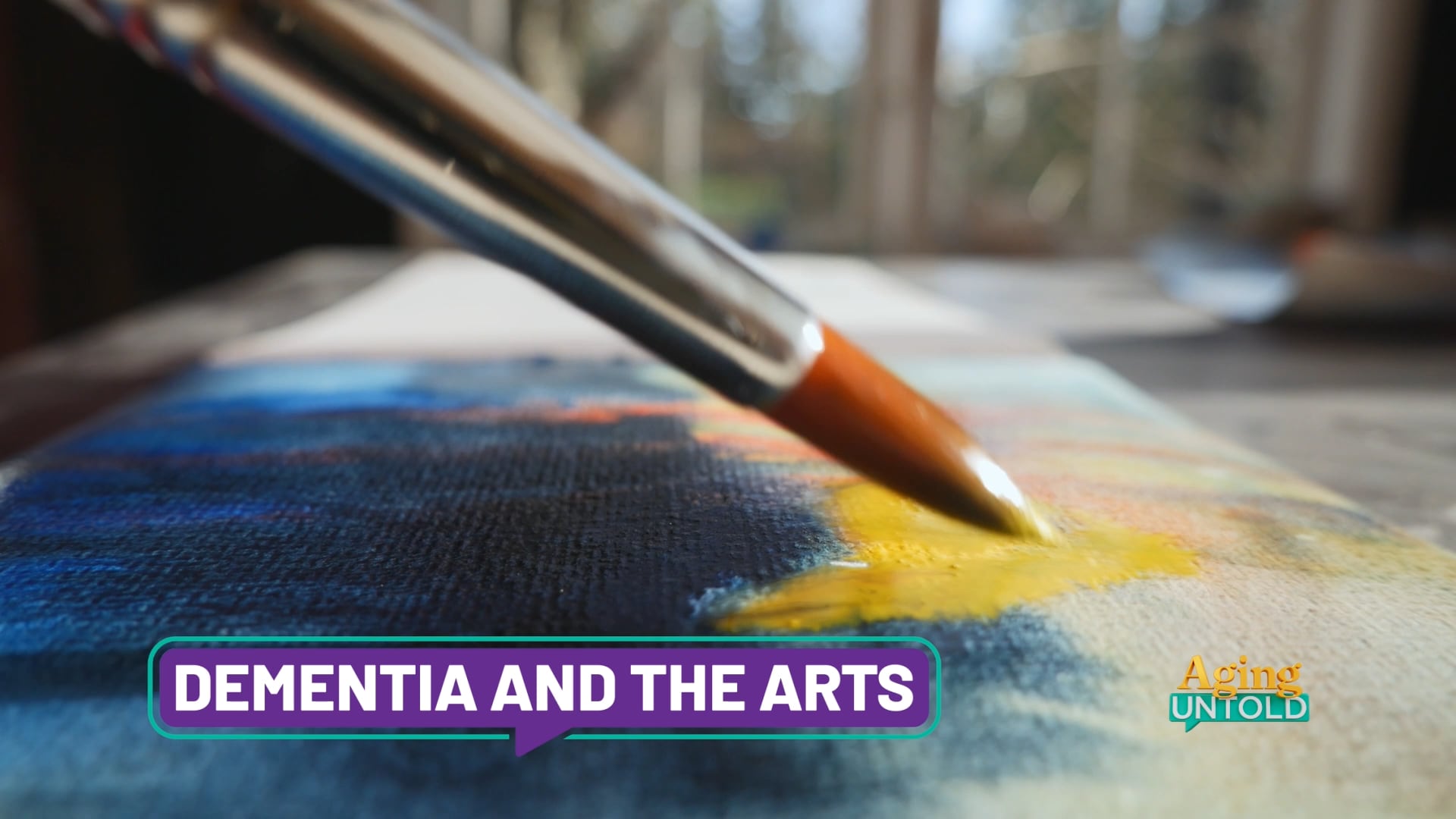
The concept is simple: engage the senses and tap into areas of the brain less affected by dementia. Amy O’Rourke, an aging expert, suggests families begin by searching for local resources, recommending searches for “dance and dementia,” “arts and dementia,” and “music and dementia” programs in their area. O’Rourke recalls a poignant experience from her early career as an activity director, where residents participated in a bell choir. “Each resident had a bell and the director would point, and you could just see the impact it had on them,” she said. These activities can support mood, dignity, and connection, even though they do not cure dementia. Another caregiver shared with O’Rourke how a client with memory impairment began producing pictures and watercolors in an art class – despite having no prior artistic experience. “She had never done art before. She had never drawn. She had never done any kind of artwork at all,” O’Rourke observed, highlighting the potential for unexpected talent and expression.
Gerontologist Sam Cradduck echoes this sentiment, explaining that the arts often engage a different part of the brain, potentially accessing long-term memories. “You’re tapping into something that maybe hasn’t been affected yet,” Cradduck explained. He shared a compelling anecdote about Naomi Feil, considered the “mother of the validation technique” in dementia training, and a woman who hadn't spoken in years. When Feil began tapping her arm and singing “Jesus Loves You,” the woman spontaneously joined in, singing the song with increasing speed and emotion. This illustrates how music can unlock deeply buried memories and facilitate communication when verbal abilities have diminished. The arts, Cradduck adds, tap into core memories, offering a pathway to emotional connection and a sense of self.
Dr. Rhea Rogers, a board-certified physician, points out that while dementia changes memory, it doesn’t necessarily diminish creativity. “They find a different way to tell the story,” she said. This means that even as memories fade, individuals with dementia can still express themselves through art, music, and other creative mediums. Katherine Ambrose, an aging well coach, further emphasizes the benefits, noting that these activities offer a “peaceful activity that everyone can be a part of,” providing a shared experience for both the person with dementia and their caregivers. It’s a reminder that even in the face of profound loss, moments of joy and connection are still possible.
The implications for families in Alpharetta are significant. As our community continues to age, the prevalence of dementia is likely to increase, placing a greater strain on caregivers and highlighting the need for accessible and supportive programs. These creative outlets aren’t just about providing entertainment; they’re about preserving dignity, fostering connection, and offering respite for caregivers who often feel overwhelmed. The emotional toll of caring for someone with dementia is immense, and finding ways to engage the person in meaningful activities can provide a much-needed sense of normalcy and joy. Strong marriages and families are the bedrock of our community, and facing challenges like dementia requires a collective effort – from providing resources to offering emotional support.
What struck me most about these stories isn't just the technical explanation of how the arts engage different parts of the brain, but the sheer humanity of it all. Seeing a woman who hadn't spoken in years suddenly burst into song, or witnessing someone create art for the first time – these are profound moments of grace. It reminds us that even as cognitive abilities decline, the human spirit remains, yearning for connection and expression. For families navigating the challenges of dementia, I urge you to explore these creative avenues. Don’t be afraid to try something new, even if it seems daunting. And remember, the goal isn't perfection; it's connection. It’s about finding those moments of shared joy and creating lasting memories amidst a difficult journey. We must also consider how we can better support caregivers, who are often the unsung heroes in these situations – offering them respite, encouragement, and access to resources that can ease their burden.
Fortunately, there are several resources available for families in Alpharetta seeking support and creative engagement opportunities. The City of Alpharetta offers a variety of senior programs and services, and the Fulton County Aging and Disability Services provides information and referrals for a wide range of support services. The Alzheimer's Association of Georgia offers education, support groups, and resources for families affected by Alzheimer's disease and other dementias. Local art centers and music schools may also offer programs specifically designed for individuals with memory impairments. Connecting with these resources can provide families with the knowledge, skills, and support they need to navigate the challenges of dementia and create meaningful connections with their loved ones. North Fulton Community Foundation often supports initiatives aimed at improving the lives of seniors and families in our area, and exploring their grant opportunities could be a way to contribute to this important cause.
As Alpharetta’s population continues to age, it’s crucial that we foster a community that is understanding and supportive of individuals living with dementia and their families. This includes raising awareness about the disease, promoting early detection and diagnosis, and providing access to quality care and support services. The stories shared by O’Rourke, Cradduck, Rogers, and Ambrose underscore the power of creativity to unlock emotions, memories, and connections that remain even as cognitive abilities decline. By embracing these creative outlets and supporting families facing the challenges of dementia, we can create a more compassionate and vibrant community for all.
The journey of caring for someone with dementia is undoubtedly challenging, but it’s also filled with opportunities for connection, compassion, and creativity. By embracing the power of music, art, and other expressive outlets, we can help our loved ones maintain a sense of dignity, purpose, and joy, even in the face of profound loss. And as a community rooted in faith and family values, we have a responsibility to support those who are struggling and to create a brighter future for all.
By James Caldwell

By James Ramirez

By Marcus Reed

By Linda Choi